


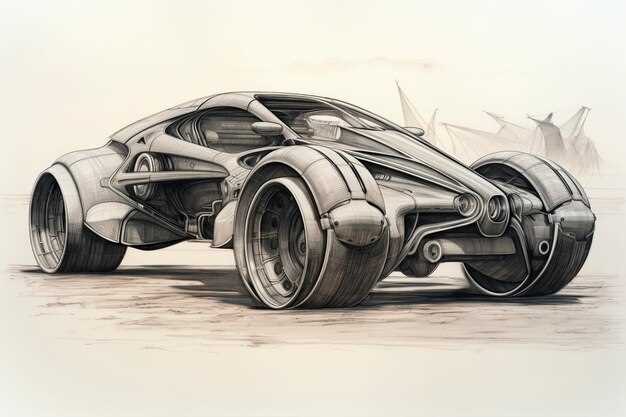
The automotive industry is undergoing a remarkable transformation, marked by a notable revival of retro car design. As we move into 2025, vintage aesthetics are not merely a nostalgic nod; they represent a significant shift in consumer preferences favoring classic lines, bold colors, and timeless features.
This resurgence is driven by a growing desire for authenticity and a tangible connection to the past. Modern manufacturers are blending innovative technology with traditional design elements, creating vehicles that evoke the charm of classic cars while incorporating cutting-edge performance and eco-friendly attributes. As a result, the retro design movement is not just a fleeting trend; it is reshaping the very essence of automotive styling.
In this era of sustainability, the revival of retro design also resonates with environmentally conscious consumers seeking vehicles that reflect their values. The infusion of sustainable materials and advanced engineering into these vintage-inspired models demonstrates that the allure of the past can harmoniously coexist with the demands of the future. As we explore the trends shaping retro car design in 2025, it becomes evident that this revival is poised to influence not only aesthetics but also the broader automotive landscape.
Key Features of 2025’s Retro Car Designs

The revival of retro car design in 2025 is characterized by a perfect blend of nostalgia and modern innovation. One of the most notable features is the incorporation of classic shapes and silhouettes with sleek, aerodynamic lines. Manufacturers are embracing iconic elements from the past, such as rounded edges and chrome accents, while ensuring they meet contemporary performance standards.
Another significant aspect is the integration of advanced technology without compromising the vintage aesthetic. Digital displays are seamlessly integrated into retro dashboards, offering drivers essential information while maintaining a classic look. High-quality, sustainable materials are also being utilized, reflecting a growing concern for the environment while staying true to classic craftsmanship.
Color palettes have shifted, favoring bold and vibrant hues reminiscent of the 60s and 70s, allowing for personal expression in car design. Additionally, custom options for interiors are on the rise, with upholstery and trim that echo historical designs, providing a truly personalized experience.
Electric powertrains are becoming commonplace, combining the charm of vintage cars with the efficiency of modern technology. This shift is encouraging automakers to rethink traditional engineering, resulting in cars that not only look timeless but also adhere to modern sustainability standards.
Lastly, the community aspect surrounding retro cars has intensified. Enthusiast clubs and online forums are proliferating, fostering a culture of sharing knowledge about restoration and modification. This growing passion for retro revivalism is influencing new designs, making sure that they resonate with consumers who appreciate both heritage and innovation in automotive design.
Impact of Technology on Retro Car Customization
The resurgence of interest in retro cars has ignited a wave of customization that combines classic aesthetics with modern technology. As enthusiasts seek to revive vintage vehicles, technological advancements play a crucial role in enabling personalized modifications while preserving the essence of these beloved cars.
One of the most significant impacts of technology on retro car customization is the introduction of advanced diagnostic tools. Mechanic apps and scan tools allow car owners to monitor engine performance, assess mechanical health, and even tune their vehicles to enhance performance without losing the vintage charm. This blend of retro style and modern efficiency creates a unique driving experience.
Moreover, 3D printing has revolutionized the customization process, allowing for the creation of bespoke components that may no longer be available for older models. Enthusiasts can design and produce exact replicas of original parts, or even innovate new accessories that pay homage to the vintage design while incorporating contemporary functionality.
Electric vehicle technology is also influencing the retro car market. Several companies are now converting classic cars into electric vehicles, which not only makes them more environmentally friendly but also enhances performance metrics. This transition allows enthusiasts to enjoy the revival of their favorite retro cars while adhering to modern sustainability standards.
Furthermore, the integration of smart technology into retro vehicles is becoming commonplace. Features such as GPS navigation, Bluetooth connectivity, and advanced sound systems can be seamlessly incorporated without compromising the car’s nostalgic appeal. Customization options now extend beyond mere aesthetic improvements to include technological enhancements that elevate the overall driving experience.
In conclusion, technology significantly impacts the customization of retro cars by providing innovative solutions that facilitate the revival process. The blend of classic designs with cutting-edge technology not only attracts a new generation of enthusiasts but also ensures that these timeless vehicles remain relevant in an ever-evolving automotive landscape.
Market Demand and Consumer Preferences for Classic Aesthetics
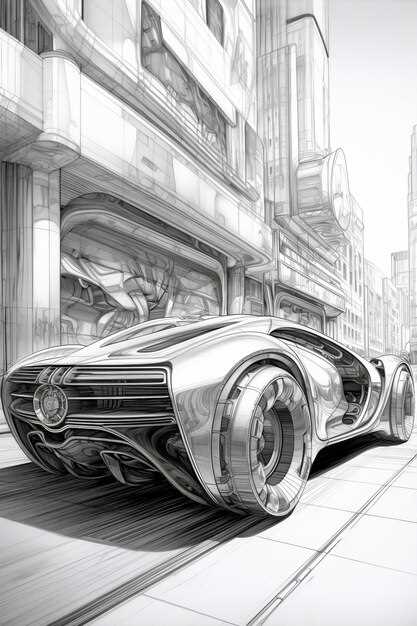
In 2025, the resurgence of retro car design reflects a significant shift in market demand and consumer preferences. The allure of classic aesthetics has captured the imagination of many automotive enthusiasts, paving the way for a new wave of vehicles that celebrate the design elements of the past.
Consumers are increasingly drawn to retro cars for their unique visual appeal and nostalgic significance. This preference is not solely driven by aesthetics; it also encompasses a longing for the simplistic and iconic designs that defined earlier automotive eras. The warm tones and curvaceous lines characteristic of vintage vehicles evoke a sense of authenticity and charm that modern cars often lack.
Moreover, the integration of retro elements into contemporary vehicles showcases a harmonious blend of old and new design philosophies. Manufacturers are adeptly combining classic aesthetics with advanced technology, ensuring that these cars not only look good but also meet today’s safety and environmental standards. This fusion has resulted in a market filled with options that satisfy both nostalgic desires and modern expectations.
The demand for retro-inspired designs also reflects broader cultural trends. As consumers seek to differentiate themselves in a world saturated with uniformity, owning a vehicle with classic design nuances becomes a statement of individuality. This shift is particularly noticeable among younger generations who value authenticity and craftsmanship, often opting for cars that tell a story or evoke a sense of history.
Furthermore, automotive brands are responding to this trend by launching limited-edition models that pay homage to iconic designs. These offerings not only cater to nostalgia but also serve as collectibles, increasing their appeal for investors and enthusiasts alike. This strategy has proven effective in tapping into the emotions associated with classic cars, enhancing consumer engagement.
In summary, the market demand for retro cars is propelled by consumer preferences that favor classic aesthetics. This trend reflects a broader desire for uniqueness, nostalgia, and an appreciation for timeless design, shaping the automotive landscape of 2025 and beyond.


