



Maintaining your wheels and rims is essential for ensuring the longevity and performance of your vehicle. A well-cared-for wheel assembly not only enhances safety but also improves the overall driving experience. Regular maintenance can prevent costly repairs and replacements, making it a wise investment in your vehicle’s health.
The rim is a critical component of the wheel, serving as the framework that holds the tire in place. Proper maintenance of the rim is vital for preventing issues such as corrosion and damage, which can lead to air leaks and compromised handling. Understanding the best practices for maintaining both wheels and rims can help you enjoy a smoother ride and maximize your vehicle’s efficiency.
In the following sections, we will explore practical tips and techniques for keeping your wheels and rims in excellent condition. By taking the time to follow these guidelines, you can ensure that your vehicle remains safe and reliable on the road.
Cleaning Techniques for Wheels and Rims
Proper care for your wheels and rims not only enhances the aesthetic appeal of your vehicle but also extends their lifespan. To effectively clean these components, you need the right techniques and materials.
Start by rinsing the wheels and rims with water to remove loose dirt and grime. This initial step helps to prevent scratching during the scrubbing process. Use a garden hose or a bucket of water for this purpose.
Next, choose a specialized wheel cleaner that matches the type of finish on your rims. For alloy rims, avoid acidic cleaners; instead, opt for pH-balanced products. For painted or chrome-finished rims, make sure the cleaner is safe for those surfaces.
Apply the wheel cleaner generously, ensuring that it covers all areas of the rim and wheel. Allow it to sit for a few minutes to break down tough brake dust and road grime. This dwell time is essential for effective removal.
Utilize a soft-bristle brush or a microfiber cloth to gently scrub the rims. Pay particular attention to crevices and intricate designs where dirt tends to accumulate. For tougher spots, a dedicated wheel cleaning brush can reach challenging areas without damaging the surface.
Rinse thoroughly with clean water, ensuring all cleaner residue is washed away. Leftover cleaner can lead to streaking and potential damage over time.
After rinsing, dry the rims with a microfiber towel to prevent water spots. This step is crucial, especially in high-humidity environments where water can leave mineral deposits.
For an extra layer of care, consider applying a wheel sealant after cleaning. This product can provide protection against brake dust and make future cleanings easier.
Regular maintenance, ideally every couple of weeks, will keep your wheels and rims in optimal condition. Consistent cleaning techniques prevent buildup and ensure a safer driving experience.
Inspecting and Identifying Common Wheel and Rim Issues

Regular inspection of wheels and rims is essential for ensuring their longevity and performance. Start by visually examining the wheel for any noticeable damage such as cracks, bends, or warping. These issues can compromise the structural integrity and safety of the wheel. Pay special attention to the area around the lug nut holes, as stress cracks often develop here due to improper tightening or overloading.
Next, assess the rim for signs of corrosion or oxidation, particularly if you live in areas with harsh weather conditions or road salt usage. Corroded rims not only look unappealing but can also weaken the wheel over time, increasing the risk of failure. Use a soft cloth to wipe down the rims, and inspect for any flaking paint or rusted areas that may require immediate attention.
Additionally, check for uneven wear on the tire tread, which can indicate alignment issues or tire imbalance. This type of wear can lead to poor handling and reduced safety. It is also important to inspect the bead seat area of the rim, looking for any leaks or defects that could result in air loss from the tire.
Lastly, regularly monitor the wheel’s balance and ensure that lug nuts are properly torqued. Under-tightened or over-tightened lug nuts can lead to further complications, including warping of the rim. Providing proper care and conducting routine checks can help prevent more significant problems down the line.
Best Practices for Tire and Rim Storage
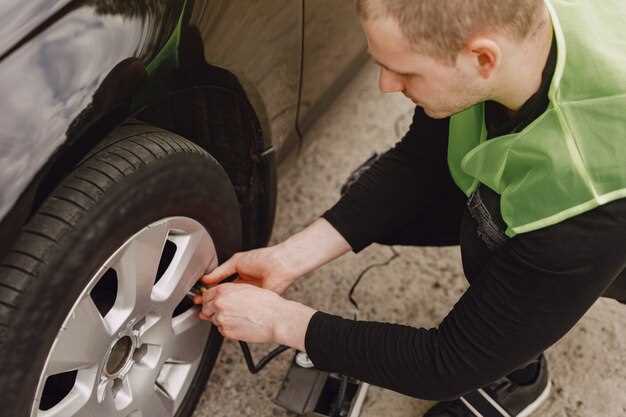
Proper storage of your tires and rims is essential for maintaining their integrity and performance over time. When not in use, follow these best practices to ensure your wheel components remain in excellent condition.
1. Clean Before Storage: Always clean your tires and rims before storing them. Remove any dirt, debris, or brake dust that may have accumulated. For rims, consider using a specialized cleaner to prevent corrosion and maintain their shine. This step is crucial for reducing the risk of damage during prolonged storage.
2. Store in a Cool, Dry Place: Select a storage location that is cool and dry. Extreme temperatures can degrade the rubber compounds in tires and affect the integrity of the rims. Avoid areas exposed to direct sunlight, as UV rays can cause cracking and deterioration of the materials.
3. Keep Them Upright or Stack Correctly: If you are storing tires, it’s best to stand them upright to prevent deformation. For rims, consider using tire racks to avoid stacking them directly on top of one another. If stacking is necessary, ensure that they are stacked in a manner that avoids excessive weight on any individual rim, which could lead to bending or warping.
4. Use Tire Covers: Investing in tire covers can provide additional protection against dust and moisture. These covers can help prevent the rubber from drying out or cracking. Ensure that the covers are breathable to avoid trapping moisture, which could lead to mold or mildew.
5. Ensure Proper Inflation: When storing mounted tires, check the tire pressure before storage. Slightly overinflate the tires to prevent flat spots from developing. However, do not exceed the manufacturer’s recommended pressure. Proper inflation helps maintain the shape of the tire in a stored position.
6. Rotate Regularly: If you have the opportunity, rotate the stored tires periodically. This practice allows for an even distribution of pressure across the tire surface and prevents flat spots from forming during long-term storage.
By following these best practices for tire and rim storage, you can extend the lifespan of your wheel components and ensure they are ready for safe use when needed. Proper maintenance and attention to storage conditions are key to optimal performance and longevity.


