


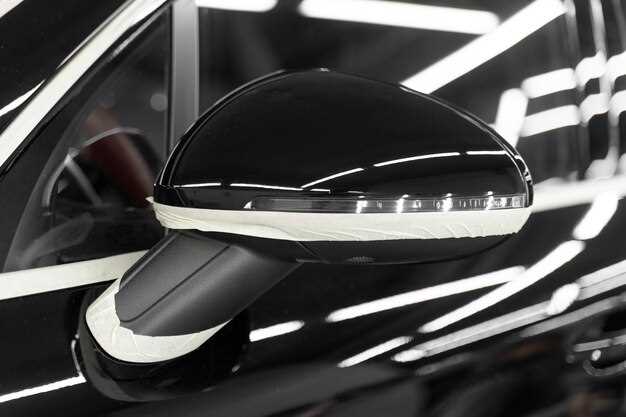
The world of automotive design is a fascinating intersection of art and engineering, where every line, curve, and detail plays a vital role in shaping a car’s identity. Iconic car aesthetics transcend mere functionality; they evoke emotions, capture the imagination, and establish a brand’s legacy. Understanding the key design elements that contribute to a car’s visual appeal is essential for any enthusiast or aspiring designer.
At the heart of a car’s allure are its details. From the subtle angles of the bodywork to the intricacies of the grille and headlights, these design aspects collectively form the vehicle’s character. Each element is carefully considered to not only enhance performance but also to create a memorable visual narrative that resonates with consumers.
The design philosophy behind iconic cars often revolves around a few fundamental principles. Proportions, symmetry, and balance are crucial in crafting a vehicle that is both aesthetically pleasing and aerodynamic. The use of contrasting materials and innovative shapes further adds to the car’s visual drama, ensuring that it stands out in a crowded marketplace.
Ultimately, the iconic aesthetics of a car are not just about how it looks; they embody the spirit of innovation, culture, and the dreams of those who dare to drive them. By analyzing these design elements, we can gain insight into the creativity and technical prowess that define the automotive industry.
How Proportions Influence the Visual Appeal of Classic Cars
The art of automobile design is significantly defined by proportions, which play a crucial role in creating the visual appeal of classic cars. Iconic vehicles often feature carefully balanced proportions that enhance their overall aesthetics. The relationship between the length, width, and height of a car determines how it communicates its identity and intent to onlookers.
One of the most defining aspects of classic car design is the elongated hood paired with a compact cabin. This proportion not only contributes to an aggressive stance but also hints at the powerful performance typically associated with such vehicles. A well-proportioned car evokes a sense of elegance and speed, drawing admiration from enthusiasts and casual observers alike.
Moreover, the placement of details, such as wheel wells and windows, greatly impacts how proportions are perceived. For instance, larger wheels can create a sense of robustness, while expansive glass areas can suggest openness and luxuriousness. The juxtaposition of these elements leads to a harmonious blend that makes the car truly iconic.
Classic cars often showcase a distinct ratio between their front and rear sections. A slightly elongated rear can evoke feelings of nostalgia, while a more aggressive front design may project modernity and performance. These subtle shifts in proportion influence how a car is regarded not only as a mode of transport but as a work of art.
The interplay of these factors ultimately determines the vehicle’s character and legacy. Cars that maintain thoughtful proportions continue to resonate with audiences, ensuring their place in automotive history. Each curve, line, and angle reflects the vision of designers who expertly manipulated proportions to create timeless classics.
Essential Line Work: What Makes a Car Instantly Recognizable

The design of a car is not merely about aesthetics; it encompasses a series of lines and shapes that contribute significantly to its identity. Iconic cars often showcase unique line work that evokes emotion and recognition from enthusiasts and casual observers alike.
One critical aspect of this line work is the silhouette. A distinctive profile is crucial; it allows a car to be identifiable even from a distance or in poor visibility. For instance, the sharp angles of a sports car suggest speed and performance, while the curved lines of a luxury sedan reflect elegance and comfort.
Another vital component is the character line, which runs along the body of the vehicle. This line serves as an anchor, connecting various design elements and creating visual flow. Iconic cars, like the Porsche 911 or Ford Mustang, utilize character lines effectively to convey a sense of motion, even when stationary.
Additionally, the treatment of edges and corners plays a significant role in defining a car’s personality. Smooth, rounded edges can convey friendliness and approachability, whereas aggressive, sharp lines may indicate a high-performance machine. Brands recognize the importance of these design choices, as they can evoke specific emotions and reactions from potential buyers.
In modern car design, minimalism is increasingly favored, with fewer character lines and a focus on clean, uninterrupted surfaces. This trend aids in creating a timeless look, ensuring that the car remains iconic for generations. However, the essence of line work remains critical; it is the interplay between simplicity and complexity that defines a vehicle’s visual language.
Ultimately, the essential line work of a car is a language of its own–one that communicates brand values, market positioning, and aesthetic ideals. Understanding and mastering this artistry is fundamental for any car designer aiming to create a truly iconic vehicle.
The Role of Color and Finish in Defining Car Character
Color and finish play a crucial role in shaping the visual identity of iconic cars. They are not just aesthetic choices; they embody the brand’s design philosophy and consumer expectations.
Different hues evoke various emotions and perceptions, influencing buyer decisions and brand loyalty. Here are some key aspects of how color and finish contribute to car character:
- Brand Identity: Colors often become synonymous with specific manufacturers. For instance, Ferrari’s signature red and BMW’s blue and white reflect their iconic status.
- Market Trends: Manufacturers adapt to changing consumer preferences. For example, the rise in popularity of matte finishes demonstrates a shift towards modern, edgy aesthetics.
- Emotional Appeal: Warm colors like red and orange can suggest excitement and performance, while cooler tones like blue and green often communicate tranquility and sophistication.
Moreover, the finish of the paint further enhances a car’s character:
- Gloss vs. Matte: Glossy finishes tend to highlight lines and curves, giving a luxurious feel, while matte finishes provide a more understated and contemporary look.
- Metallic and Pearl Effects: These finishes add depth and complexity, allowing vehicles to catch light in unique ways, thus enhancing visual interest.
- Textured Finishes: Innovations in paint technology allow for various textures that add tactile elements, making the design experience more immersive.
Ultimately, the interplay between color and finish defines the character of a vehicle, contributing to its iconic status in automotive design. Attention to these details can elevate a car from merely functional to a symbol of style and performance.


